Taking Your Dog to a Café: Etiquette for a Calm Visit
Taking your dog to a café can be calm and enjoyable. Learn how to ask first, prepare your dog, settle them under the table, and read the signs that say it's time to go.
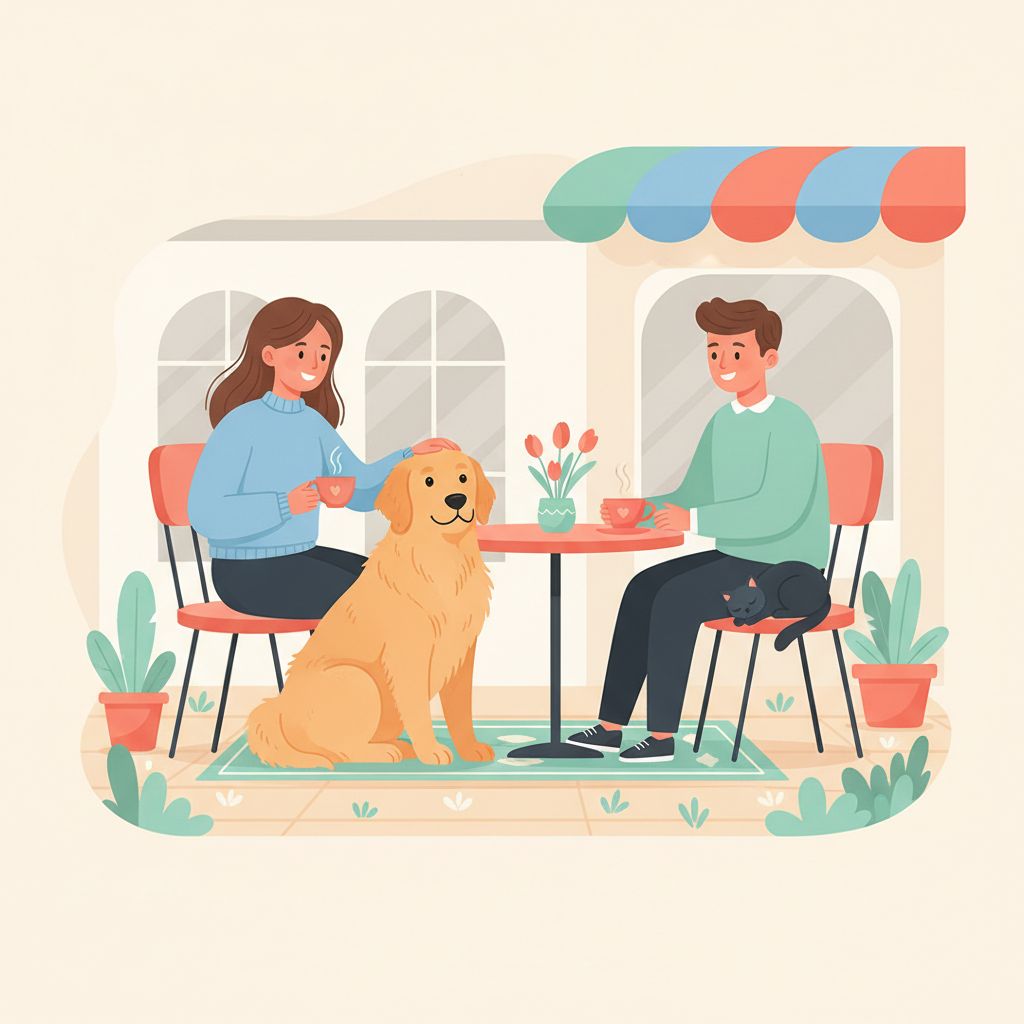
It's a sunny morning in Zagreb. You've grabbed your coffee on the way, found a free table on the terrace, and your dog is already watching everything: every crumb, every scraping chair, every passer-by. Taking your dog to a café looks effortless in other people's photos, and it rarely feels that way in the moment.
So the question every owner quietly asks is this: will my dog actually relax if I take them along?
The good news is that calm visits are mostly built, not lucky. This guide walks you through a step-by-step approach based on three habits: asking first, preparing well, and reading your dog. If you share your home with a cat, the same thinking about calm routines applies, though your cat will happily skip the terrace.
Why a calm café visit takes more than a lead and a bowl
Picture a café table from your dog's seat. Coffee, pastry, and a hundred crumbs at nose level. Chairs scrape. A pram rolls past. Someone's terrier eyes yours from two tables over. For a dog, that's one of the busiest sensory spots in city life.
So the goal isn't a dog who's merely tolerated. It's a calm dog at a café, one who actually settles. And the visit belongs to everyone involved: you, your dog, the staff, and the guests around you.

Here's what we'll cover: asking first, preparing in advance, behaving well at the table, and knowing when to leave. These tips suit dog owners generally. If cats share your home, the same thinking about calm routines applies to them too, though they'll stay home for café outings.
Let's start where every good visit starts: before you ever sit down.
Before you go: ask first and read the room
Never assume a café welcomes dogs. Ask the staff before you sit down. Then look at the entrance and the terrace for signage, because some places post their rules and some don't. Policies differ from one venue to the next and they can change, so check your local rules and the café's own policy instead of trusting something you read once (including this).
A quick chat with the server saves an awkward exit. Try these questions:
- Is the terrace the only option for dogs, or is indoor seating allowed too?
- Is there a quieter corner away from the main flow?
- Are there rules about the lead, like a maximum length or keeping it short?
- Can dogs go on the seating, or should they stay on the floor?
Before you commit to a table, scan the layout. Narrow gaps between tables mean your dog's tail, paws and lead become trip hazards. A busy pavement puts them inches from passing prams and bikes. And a doorway where staff carry trays? Skip it. That's a spilled flat white waiting to happen.

Timing matters too. A mid-morning weekday is usually far easier for a first visit than a packed Saturday terrace. Fewer people, fewer surprises, and the staff have time to say yes with a smile.
Last, think about the clock. Terrace culture in Zagreb means one coffee can easily stretch to an hour or more. That's lovely for you. But can your dog realistically lie settled for that long? If your answer is "maybe 20 minutes," plan for 20 minutes.
Once you know the café is dog-friendly and you've picked your spot, the real work happens back at home, where your dog's preparation begins.
Preparing your dog for taking them to a café
A good café visit starts long before you sit down. Take your dog for a walk or a proper sniff session first. You want them pleasantly tired and, just as important, empty. A dog who's already had a chance to relieve themselves is far easier to settle under a table.
Feed sensibly, too. A dog who's eaten a little beforehand is usually less likely to hoover up dropped crumbs. But skip the big meal right before you go, and follow your vet's feeding advice for your dog.
Next, practise the basics at home and on quiet streets. You're aiming for these:
- Settling on a mat
- Sit and wait
- Leave it
- A reliable recall cue
- Walking calmly on a loose lead
Then introduce a travel mat or small blanket as a portable "place." Use it at home first, so it smells familiar and means "relax." This is the heart of settling a dog under the table: a mat that already says "this is where we switch off." Once the café becomes part of the routine, start with just five minutes.
Build up in steps. Begin with a bench outside. Move to a quiet terrace for a short drink. Only stretch the stays when your dog shows relaxed body language (loose posture, soft eyes, no pacing or panting). Rushing this part is where most owners go wrong.
Before you leave the house, run through a quick checklist:
- Well-fitting collar or harness
- Standard lead (not a retractable one)
- ID tag with a current phone number
- Up-to-date microchip details
- Poo bags
- Water bowl
- Mat
- A few small chews or treats
One last thing. If your dog is anxious, reactive, unwell or getting on in years, talk to your vet about whether café visits suit them. And don't push a dog who's clearly uncomfortable. Some dogs simply prefer the park.
With the groundwork done and the kit packed, you're ready for the moment that matters: the table itself.
At the table: simple dog café etiquette
Good dog café etiquette starts before you sit down. Pick an edge or corner seat and tuck your dog beside or under your chair. Stay away from walkways and the route staff take to the kitchen. A dog sprawled across a main aisle is a tripping hazard, no matter how well-behaved.
Keep the lead short and secure. Loop it around your wrist or the chair leg so your dog can't wander into the path of a waiter or a curious child. And keep all four paws on the ground. Dogs don't belong on seats or tables, and they shouldn't climb into other people's laps unless those people invite them.
Then set a quiet routine. Ask your dog to settle on a mat and calmly reward relaxed behaviour. If your dog starts pestering, don't escalate the attention. Ignore it until they settle again. It's boring advice, but it works.
Food needs its own rules:
- Don't let your dog beg from neighbouring tables.
- Never feed from the table unless you're sure the food is safe. Some human foods are harmful to dogs, so ask your vet which ones to avoid.
Greetings are next. Ask before letting your dog say hello to other dogs or guests. Plenty of people would rather not interact with a dog at all (and that's their right), so respect it without fuss.
If your dog gets noisy, whether barking or whining, step away calmly. A short walk outside usually resets things. Always pick up after your dog, and mop up water spills where you can.
Finally, be kind to staff. Keep your dog out of the way of service. Tip as you normally would. And thank them for having you. Cafés that welcome dogs are doing you a favour, and a little goodwill keeps those doors open for the next owner too.
Even with perfect manners, though, the best skill on a dog on a terrace is noticing when your dog has had enough.
Reading your dog and knowing when to leave
Your dog will tell you when it's had enough. You just have to know the language. Early stress signs are subtle: lip licking, yawning, turning away, panting when it isn't hot, trembling, refusing treats, or pulling toward the exit. One alone means little. Two or three together mean it's time to wrap up.
A settled dog looks very different. The body is loose, the eyes are soft, and the tail hangs relaxed. Lying down is a great sign. So is a long sigh.
Plan your exit before you sit down. Finish your drink, pay at the table if you can, and leave quietly. Don't wait for a meltdown. Leave while your dog is still coping well, and the next visit starts from a good memory.
- Puppy squirms: Shorten the visit and bring a chew to anchor them.
- Dog barks at passing bikes: Pick a table away from the path, or sit facing the dog away from traffic.
- Dog falls asleep: Perfect. Stay a little longer, but quit while it's still easy.
If problems keep repeating, go back a step in training. Or talk to your vet or a qualified, reputable trainer. And be honest with yourself. Some dogs simply prefer a walk to a café (and that's fine).
Now let's pull everything together into something you can carry in your pocket.
Your café checklist and next steps
Here's a simple checklist for café visits with your dog. Screenshot this before you head out:
- Ask staff if dogs are welcome
- Check signage and local rules
- Exercise and toilet first
- Pack the kit
- Settle your dog on the mat
- Keep the lead short
- Watch body language
- Leave on a good note
Start small. A quiet weekday morning beats a packed Saturday terrace, and twenty minutes is plenty for a first visit.
A calm dog makes the terrace nicer for everyone. And good manners keep places open to dogs. If something still worries you, whether it's health or behaviour, take it to your vet.
Plan one short visit this week
You don't need a big outing to get started. Choose one quiet time this week, ask the staff whether dogs are welcome, pack the mat and water, and keep the visit short. Twenty relaxed minutes is a real win.
Save or screenshot the checklist above so it's ready when you are. Watch your dog's body language, and finish on a good note, before they're tired of it. That's what makes taking your dog to a café something you'll both look forward to.
If anxiety, age or health is a concern, speak to your vet first. Then enjoy that first calm coffee.
Want Pethood on your block?
Join the waitlist. One email to confirm, one on launch day, nothing else.
More from the journal.
 Behaviour
 Dogs and Children: Safe, Calm Daily Routines at Home
Practical steps for keeping dogs and children safe at home: a safe dog space, body language lessons for kids, calm daily routines and clear supervision rules for families.
 Health & vet
 Dog and Cat Grooming at Home: A Simple Starter Routine
A simple starter routine for grooming your dog or cat at home: brushing, nails, ears and paw care for city pets, with short sessions, calm habits and clear signs it's time to call your vet.
 Training
 Puppy Socialisation Checklist for City Life
A practical, tickable puppy socialisation checklist for city life: sounds, surfaces, people and traffic, with a one-week plan to build a calm, confident urban dog.