Senior Cat Care: Small Home Changes That Help Every Day
Ageing in cats is quiet and everyday. Discover simple home changes, from litter trays to resting spots, that make senior cat care easier for city flats.
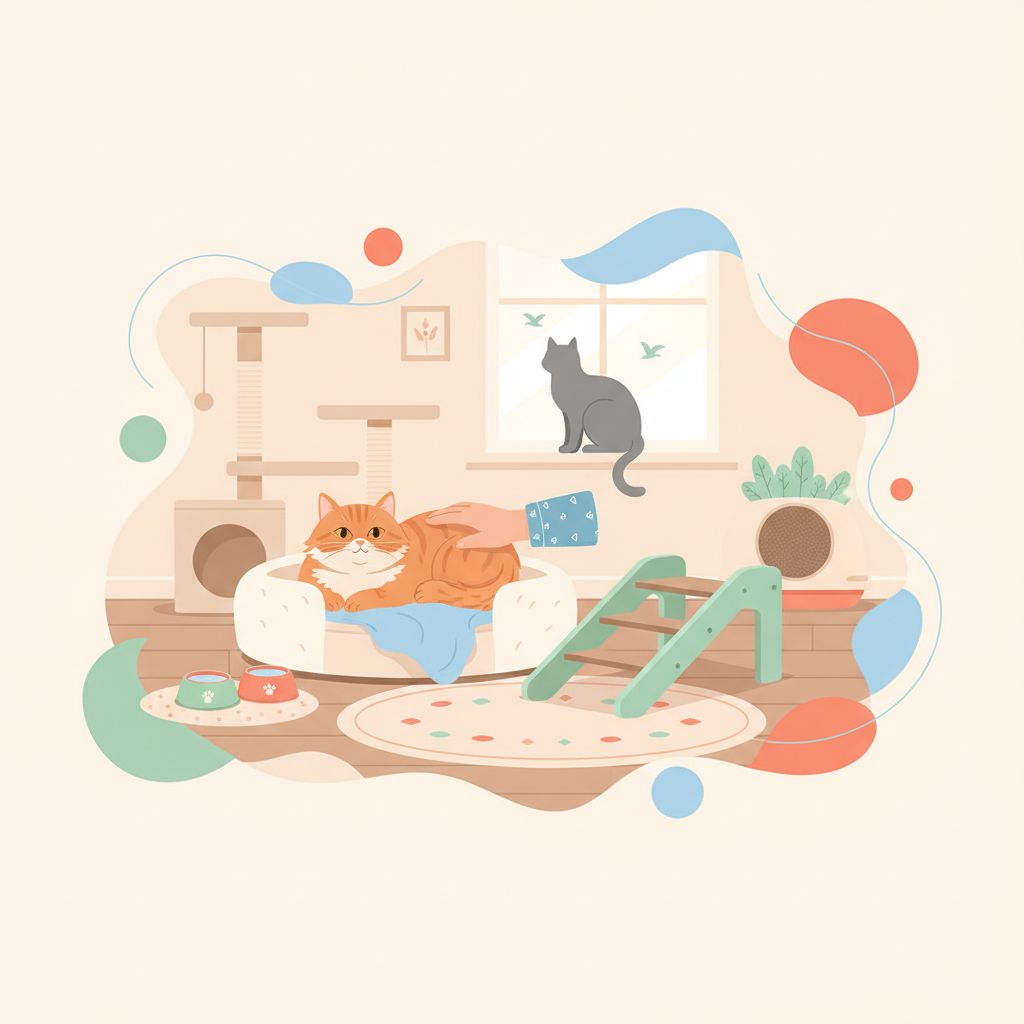
Your older cat sits at the foot of the sofa, looking up. She studies the cushion, shifts her weight, and then decides not to jump. A year ago she wouldn't have thought twice.
Moments like this are where senior cat care really begins. The signs of ageing are quiet and everyday: a skipped leap, a longer nap, a litter tray used a little differently. And the fix is often a small change in the home rather than anything dramatic.
So here is a gentle question to carry through this article: what would make your cat's day a little easier this week?
Why senior cat care starts with the home, not the vet's office
Your cat stops at the edge of the sofa. She studies it. Then she takes the jump in two stages, paws first, back legs scrambling after. A year ago she cleared it without a thought.
That small pause is where senior cat care really begins. Cats hide discomfort well, so you rarely get a dramatic signal. You get a skipped jump, a longer nap, a litter tray used a little differently. And since most of her day happens inside your flat, you're the one best placed to notice.

Ageing is normal. It isn't a problem to fix. This guide covers simple, low-cost tweaks to litter, rest, food, water and routine that suit a typical city flat and make each day easier.
Let's begin with the spot that often matters most to an older cat: the bathroom corner.
Make the litter tray easier to reach and use
Start here. Before you change food, buy a new bed, or book a behaviourist, look at the litter tray. A tray that's awkward to step into or hard to get to can quietly stress your cat. And stress shows up as accidents.
Take a cat in a third-floor flat. The tray sits behind the bathroom door, which swings half shut whenever someone showers. The washing machine rumbles next to it. Soon the cat stops going in there and starts using the hallway rug. That isn't spite. The spot just feels cramped and loud. Moving the tray to a quieter, more open corner often fixes it within days.
Here's how to set up a senior cat litter tray well:

- Choose a wide, shallow tray with a low entry edge, especially for kittens and older cats.
- If your home has stairs or a mezzanine, put one tray on each level.
- Keep trays away from the washing machine, boiler, and other noisy spots.
- Use soft, non-dusty litter your cat already accepts. If you switch types, mix the new one in gradually over a week or two.
- Scoop daily and wash the tray regularly with mild, unscented soap.
One last thing. If your cat's toilet habits change suddenly, mention it to your vet. Don't assume it's "just age." Straining, frequent trips, or going outside the tray can point to something treatable.
Once the tray is sorted, turn your attention to where she spends most of her day: resting.
Create comfortable resting spots and easy routes to them
Your older cat still wants the high, warm spot. She just can't always get there anymore. So don't take the sofa away. Bring the comfort closer.
Start with the climb. Place a sturdy step, low stool, or ramp beside the sofa or bed so she can reach her favourite perch without a leap. Then add soft, padded beds at floor level near a radiator or on a sunny windowsill. If your flat has parquet or tiles (most Zagreb apartments do), lay down non-slip mats along her usual routes. Stiff joints and slick floors don't mix.
Run through this checklist for your older cat home setup before you call it done:
- Steps and ramps are stable and don't wobble
- Beds have low sides she can step over easily
- Warm spots are warm, never hot enough to risk burns
- Quiet corners sit away from doors and through-traffic
- Every room you use most has its own resting place
City cats love a view. A secured window perch lets her watch the street without the risk. Check every window and balcony first, because an unsteady cat can misjudge a ledge in a heartbeat. Use sturdy screens or netting where needed.
One last thing. Keep your furniture where it is. A cat with failing sight or achy joints navigates by memory, and a moved armchair can turn a familiar room into an obstacle course.
With rest and toileting covered, the next small wins are found at the bowl and in the rhythm of her day.
Rethink food, water and daily routine
Small tweaks at home can make a big difference for an older or stiff cat. Start with mealtimes. A raised or shallow bowl means less bending and less strain on the neck. Put food and water close to wherever your cat naps, so they don't have to trek across the flat for breakfast. If your vet suggests easier-to-eat textures, follow that advice.
Water deserves extra attention. Change it daily, wash the bowls often, and set up several water points around the home. Try a few positions. Some cats prefer a wide, shallow dish, others love a pet water fountain. And keep every bowl well away from the litter tray (cats rarely want to drink where they toilet).
Any change to diet or weight should go through your vet first. Don't switch food on your own, even if your cat seems fussy.
Routine matters just as much. Feed at regular times so your cat knows what to expect. Keep play sessions short, gentle and frequent, rather than one big burst. If your cat grooms less than before, brush more often. And ask your vet or groomer how to keep nails at a comfortable length.
Then there's mental comfort. A predictable day helps a cat feel secure. Add gentle enrichment, like a cardboard box to hide in, a soft toy, or a window seat with a view of the street below. Plus, introduce any change slowly. A new bed, a moved bowl or a different feeding spot can unsettle a cat who's already feeling a bit fragile.
Once these habits are in place, a few quiet minutes each week will tell you how well they're working.
A simple weekly senior cat check at home
Pick one day a week. Sunday morning works for a lot of people. Then spend about five minutes just watching your cat. You're not diagnosing anything. You're noticing.
Here's what to look at when caring for an elderly cat:
- Movement: How easily does your cat jump, walk and climb? Any hesitation before the sofa?
- Appetite and drinking: Is the bowl emptying as usual? Is the water dish being visited more or less often?
- Litter tray: Any change in how often they go, how long they stay, or where they go?
- Coat and grooming: Is the fur clean and smooth, or matted and greasy in spots they used to reach?
- Mood and sleep: How do they greet you? Are they sleeping more or less than usual?
- Hiding and nights: Any new retreating behaviour, or restlessness after dark?
Here's a tip that pays off. Jot a line or two in your phone each week, or film a ten-second clip of your cat climbing stairs. Cats are masters at hiding discomfort (it's an instinct), so small changes are easy to miss and hard to describe from memory. A short video says more than "he seems a bit off."
And remember, this routine supports your vet. It doesn't replace them. Older cats benefit from regular check-ups, and your vet will tell you how often to book based on your cat's age and health.
Of course, some changes shouldn't wait for next Sunday's check.
When to call your vet
Think of this article as general guidance. It isn't a substitute for a vet's examination, and nothing here replaces professional advice. Your vet sees your pet. We don't.
Book a visit or call promptly if you notice any of these:
- Sudden changes in appetite, drinking or weight
- Repeated accidents outside the tray, or straining in the tray
- Limping, or reluctance to jump or climb
- Vomiting or diarrhoea that persists
- Changes in breathing
- Confusion, night-time crying or a marked personality change
- Hiding more than usual
Not sure whether something counts? Ring and ask. That's always fine. Vets would rather field a quick question than meet a problem that's had weeks to grow, and earlier conversations usually make everything easier, for you and for your pet.
So if you don't have a vet you trust yet, find one near you now, while everyone's calm. Then you'll know exactly who to call when it matters.
Small changes, comfortable years
You don't need to redo your whole home. Easy litter access, a soft place to rest, a simple food and water setup, a steady routine, a gentle weekly check. That's the whole list. Pick one and do it this week. Maybe it's lowering the edge of a litter tray, adding a step by the sofa, or moving a water bowl to where your cat naturally rests.
Then keep short notes on her habits and bring them to your next vet visit. Watch what happens, too: an older cat settled into a favourite spot, eyes half-closed, warm in a patch of afternoon light. That's the quiet payoff of good senior cat care. And if you're curious what's worked for others, chat with the cat owners in your neighbourhood. They've probably got a trick or two worth borrowing.
Want Pethood on your block?
Join the waitlist. One email to confirm, one on launch day, nothing else.
More from the journal.
 Behaviour
 Dogs and Children: Safe, Calm Daily Routines at Home
Practical steps for keeping dogs and children safe at home: a safe dog space, body language lessons for kids, calm daily routines and clear supervision rules for families.
 Health & vet
 Dog and Cat Grooming at Home: A Simple Starter Routine
A simple starter routine for grooming your dog or cat at home: brushing, nails, ears and paw care for city pets, with short sessions, calm habits and clear signs it's time to call your vet.
 Training
 Puppy Socialisation Checklist for City Life
A practical, tickable puppy socialisation checklist for city life: sounds, surfaces, people and traffic, with a one-week plan to build a calm, confident urban dog.