Your Rescue Dog's First Week: A Calm 7 Day Plan at Home
A calm, day-by-day plan for your rescue dog's first week at home, built for small European flats, nervous new arrivals, and busy Zagreb streets.
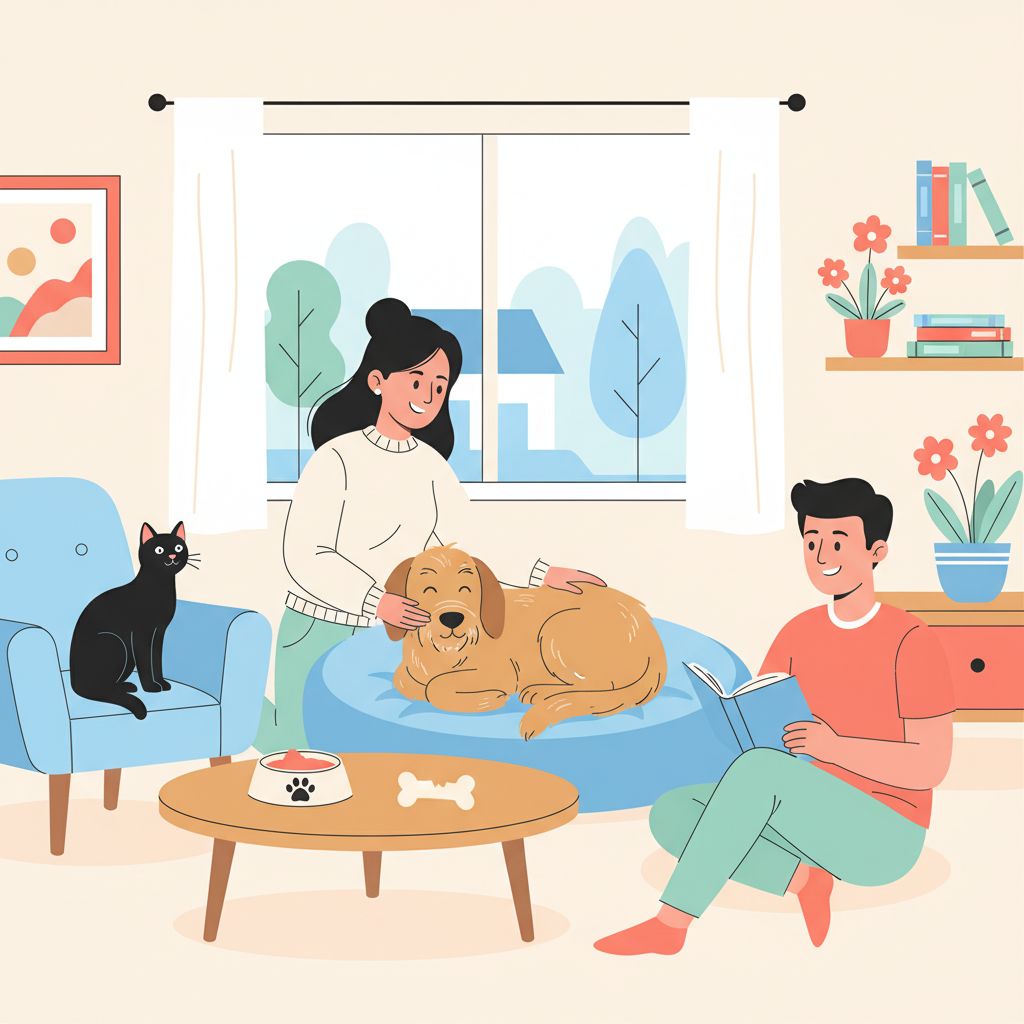
Picture it: a Saturday afternoon in a Zagreb flat, the lift doors have just closed behind you, and your newly adopted dog is standing frozen in the hallway. He sniffs the air near the radiator, glances at the kitchen, then back at the door. He doesn't know whether to sit, hide, or bolt. You don't know whether to coax him forward or leave him be.
That moment is the real start of your rescue dog's first week, and it's where most well-meaning owners get the pace wrong. The instinct is to show, cuddle, introduce, train. The dog's nervous system is asking for the opposite.
Think of these seven days less as a training boot camp and more as a decompression week. The goal isn't progress. It's calm. Below is a simple day-by-day plan you can actually follow, built for small European flats and busy city streets.
Before you bring your rescue dog home
The first 48 hours set the tone. Your rescue dog needs a soft landing, not a welcome party, so do the prep work before the carrier comes through the door.
Pick a quiet corner away from the front door and foot traffic. A bed, a bowl of fresh water, and two or three simple toys are plenty. Think den, not display.

Get the basics sorted: a flat collar with an engraved ID tag, a sturdy lead, a well-fitted harness (back-clip is kindest for a nervous dog), poo bags, and a bag of whatever food the shelter has been feeding. Switching food too fast is a classic rookie mistake.
Sit down with everyone in the flat and agree the rules. Who feeds, who walks, which rooms stay off limits for the first couple of weeks. Consistency reduces anxiety, for the dog and for you.
Then walk the route yourself. Scout a quieter loop near home, maybe a side street off Ilica or a green patch near Ribnjak, avoiding tram crossings and crowds.
Pre-arrival checklist:
- Quiet corner set up with bed and water
- Collar, ID tag, lead, harness ready
- Shelter's current food in the cupboard
- House rules agreed with flatmates or family
- Calm walking route scouted
Day 1 and 2: arrival and decompression
With the flat prepped, the first two days are about one thing, letting your new rescue dog at home discover that nothing scary is going to happen.
Trainers often talk about the "3-3-3 rule": three days to decompress, three weeks to settle, three months to feel at home. For now, you're in the first phase. Expect a dog who's quiet, shut down, hiding behind the sofa, or weirdly over-the-top. That's not their real personality yet. That's a nervous system trying to catch up.
On Day 1, keep it tiny. A short lead walk from the car straight to the spot you want them to use as a toilet (a patch of grass near your building works fine). Then upstairs, into the flat, and let them sniff one or two rooms at their own pace. No tour of the whole apartment. No greeting committee.

Keep visitors away for at least the first week. No neighbours popping in, no kids from down the hall, no bath, no dog park, no café on Tkalčićeva. Voices low. Movements slow.
Day 2 is about rhythm. Feed at the same two or three times you plan to stick with. Walk to the same toilet spot after meals, after naps, and before bed. Predictability is what tells a dog's body it's safe to relax.
If you've got a resident cat, keep them fully separated. Different rooms, closed door. Swap blankets or rub a cloth on each animal and leave it in the other's space. No face-to-face meetings yet, not even a quick peek.
Day 3 to 5: gentle routine and first outings
Once those first jittery days are behind you, the middle of the decompression week dog plan is about layering in some gentle structure.
By day three, your dog's nervous system is starting to settle. Now you build the scaffolding. A predictable daily rhythm does more for a new dog than any training treat. Try something like this: wake and toilet, breakfast, rest, short midday walk, rest, dinner, evening walk, sleep. Same times. Same order. Dogs read patterns before they read people.
Keep walks short and calm, 15 to 20 minutes is plenty. Pick one quiet route (a side street in Trešnjevka, a calm stretch along the Sava, a small park at an off-hour) and repeat it. Lead stays on. Let your dog sniff instead of covering ground. Sniffing is how they decompress and map their new city.
At home, start tiny training wins:
- Name recognition: say the name once, mark with "yes" when they look, reward.
- Sit before the food bowl: builds impulse control without pressure.
- Recall in the hallway: crouch, call once, celebrate when they come.
Adult dogs often need a house training reset too. Take them out after sleep, after meals, and after play. Praise the second they go outside, timing matters more than treat size. If accidents happen inside, clean with an enzyme cleaner and say nothing. Scolding teaches them to hide, not to hold it.
Start alone-time practice now, before you need it. Step into another room for 30 seconds. Come back calmly. Then a minute. Then two. Build the muscle slowly, while the house is still quiet.
Day 6 and 7: widening the world, carefully
With a routine taking shape, the weekend is a chance to stretch your dog's world, just not too far.
By the weekend, your dog is probably ready for a bit more. The key word is bit. Add one new thing per outing, not three. A slightly longer walk along Jarun. A quiet side street you haven't tried. Meeting one calm, vaccinated friend outside your building.
What to skip in week one: Dolac on a Saturday morning, tram rides, big family gatherings, and off-lead zones. Even confident dogs can tip into overwhelm when sounds, smells and strangers pile up at once. You want curiosity, not shutdown.
Learn to read what your dog is telling you. Good signs look like this:
- Loose, wiggly body and soft eyes
- Steady sniffing (that's your dog gathering information)
- Willingness to take a treat from your hand
Signs to pause and give space:
- Tucked tail or low body
- Lip licking or yawning when nothing sleepy is happening
- Freezing, hard stare, or trying to turn back
Keep handling gentle this week. Two or three minutes of brushing paired with small treats is plenty. Check the collar fits (two fingers underneath, no more). Skip the full bath unless your dog rolled in something truly offensive, a damp cloth usually does the job.
And a quick local note: check park signage for lead and muzzle rules. Zagreb enforces both in many areas, and requirements on ZET trams can change by operator notice.
A simple first week checklist
If the day-by-day feels like a lot to hold in your head, here's the whole plan boiled down.
Week one isn't about training a perfect dog. It's about building a rhythm your puppy or rescue can trust. Keep the day predictable and short.
Daily non-negotiables:
- Three or four short toilet trips (after waking, eating, playing)
- Two calm meals in the same quiet spot
- Long nap blocks, most dogs need 16 to 18 hours of rest
- One quiet walk, somewhere without other dogs
By the end of the week, aim for: your dog turning to their name, settling on their bed when you sit down, toileting outside most of the time, and walking a short stretch on a loose lead.
Keep a small notebook (or a note on your phone) tracking appetite, water intake, stool quality, sleep, and anything that scared them. Patterns show up fast.
What to skip this week: dog parks, dog cafés on Tkalčićeva or anywhere else, long car trips, visitors, baths, groomers, and big training sessions. All of that can wait.
When to call your vet
One more piece of the puzzle before you settle in, knowing when the professionals need to be involved.
Book a general check-up in the first week or two, even if your new dog seems perfectly well. It gives your vet a baseline, weight, dental health, heart rate, temperament, to compare against later. That baseline matters more than most owners realise.
Call sooner if you notice any of these:
- Repeated vomiting or diarrhoea
- Refusing food for more than a day
- Limping, coughing, or laboured breathing
- Blood anywhere (stool, urine, vomit, saliva)
- Pale gums or sudden collapse
Behaviour matters too. Non-stop hiding beyond a few days, bites that break skin, or extreme panic when left alone are all worth a professional opinion, often from a vet working alongside a qualified behaviourist.
This is general guidance. Only your vet can properly assess your dog.
Go slow, it pays off for months
A calm first week isn't the exciting part of adopting a rescue dog, but it's the part that pays dividends for months and years afterwards. The dog who was allowed to decompress at their own pace is almost always the dog who settles into a confident, easy companion by month three.
So go slow. Keep that short daily note, appetite, sleep, little wins, little wobbles, because patterns tell you more than any single day will. Lean on your neighbours and other local dog owners for quiet company on walks once your dog is ready, and skip the busy spots until they are. If you want more practical guides on rescue dog settling in, feeding, and city living, keep exploring the rest of the site.
Want Pethood on your block?
Join the waitlist. One email to confirm, one on launch day, nothing else.
More from the journal.
 Behaviour
 Dogs and Children: Safe, Calm Daily Routines at Home
Practical steps for keeping dogs and children safe at home: a safe dog space, body language lessons for kids, calm daily routines and clear supervision rules for families.
 Health & vet
 Dog and Cat Grooming at Home: A Simple Starter Routine
A simple starter routine for grooming your dog or cat at home: brushing, nails, ears and paw care for city pets, with short sessions, calm habits and clear signs it's time to call your vet.
 Training
 Puppy Socialisation Checklist for City Life
A practical, tickable puppy socialisation checklist for city life: sounds, surfaces, people and traffic, with a one-week plan to build a calm, confident urban dog.