Pet Hydration in Summer: Food and Water Safety for Dogs and Cats
Keep your dog or cat safe on hot city days: fresh water tips, smarter walk timing, summer food safety and the signs of dehydration, with simple checklists for Zagreb owners.
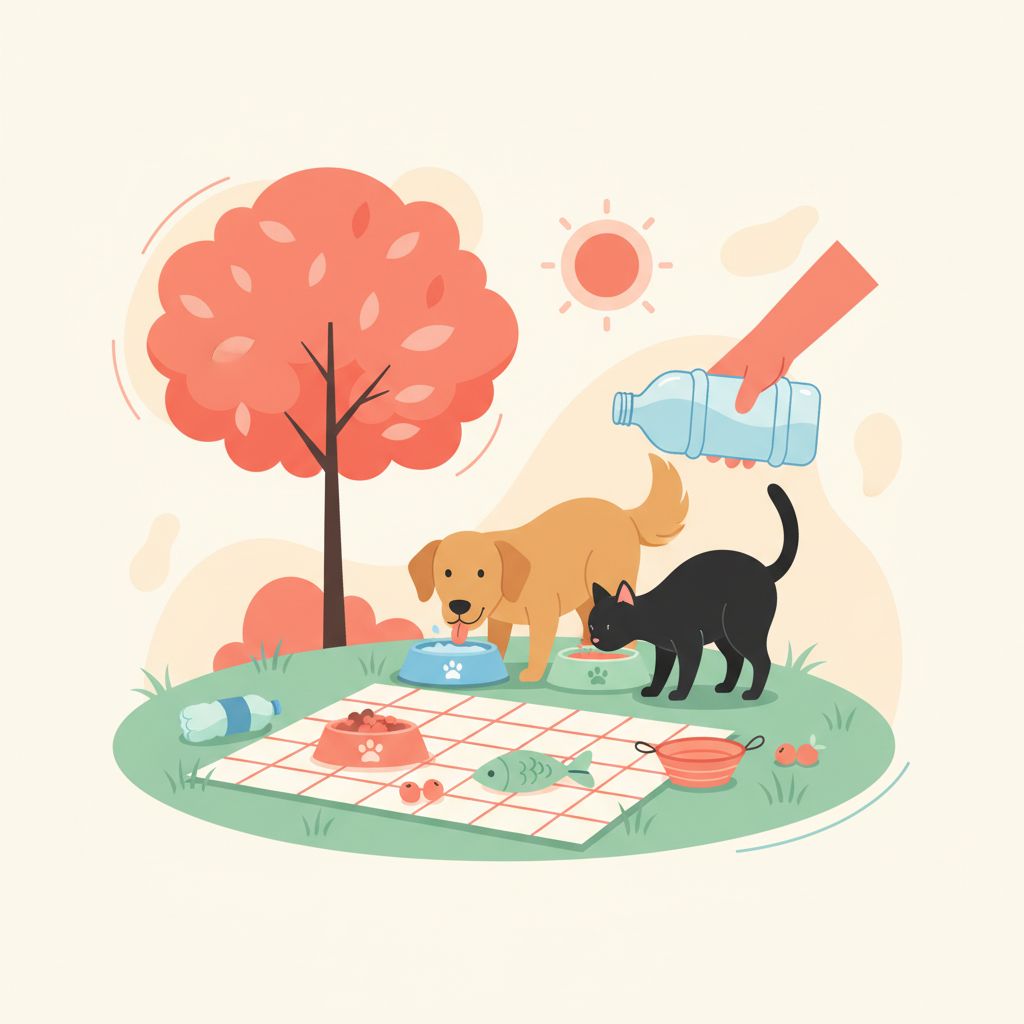
It's a hot July afternoon in Zagreb. Your flat has been soaking up the sun since morning, your dog is stretched out on the cool bathroom tiles, and the cat strolls past a full water bowl without a second glance. From here, pet hydration in summer looks simple.
But is a full bowl really enough when the pavements are hot and the flat holds the heat late into the evening?
Often it isn't. A city summer calls for fresh water, well-timed walks and safe food, all working together.
Below you'll find practical checklists you can use today, covering bowl placement, walk timing and the warning signs that mean it's time to call your vet.
Why pet hydration in summer matters more in the city
Pet hydration in summer isn't only about filling a bowl. It also depends on where the water sits, how fresh it is and what your pet eats.
Cities make all of this trickier. Pavements, walls and parked cars store heat and release it well into the evening, so your dog or cat may need more support than you'd expect.

This guide covers water at home, water on walks, summer food safety, warning signs and a simple daily routine. It's general guidance, though, and your vet knows your pet best. We'll start where your pet spends most of the day: at home.
Keeping water fresh and tempting at home
Dogs and cats don't drink the same way. Many cats are naturally low drinkers (their desert-dwelling ancestors got much of their moisture from prey), and they can be surprisingly fussy about bowl type, placement and freshness. That makes cat water intake in summer worth watching closely.
Dogs are different. They often gulp a lot at once, usually right after a walk or a game in the park.
Start with the basics:

- Change water at least twice a day in hot weather.
- Wash bowls daily to stop slime building up.
- Keep bowls out of direct sunlight and away from radiators or sunny windowsills.
Put out more than one bowl. This matters most in larger flats or homes with several pets. For cats, place water well away from the litter tray and a little apart from the food bowl.
Bowl shape matters too. Cats often prefer wide, shallow bowls that don't brush against their whiskers. For dogs, a heavy bowl is much harder to tip over.
Does your pet need a nudge? Drop a few ice cubes in the bowl. Try a fountain-style bowl, since plenty of pets prefer moving water. Or mix a little extra water into wet food, if your vet agrees it suits your pet.
Heading out for the day? Make sure the water can't be knocked over, leave at least two bowls, keep the blinds drawn and check that there's always a cool, shaded spot to retreat to.
Here's a familiar scenario. Picture a cat in a top-floor flat near Maksimir who ignores her kitchen bowl but sips from the glass on your bedside table every night. Don't fight it. Put a clean glass bowl right there and refresh it each morning, and you may well see her drinking more within a few days.
Keeping dogs hydrated in hot weather doesn't stop at your front door, though.
Water on walks and time outdoors
Timing does most of the work. Walk early in the morning and late in the evening, when the pavements have cooled. On hot days, pick shaded routes. Tree-lined streets and park paths beat open squares and baking concrete every time. (A loop around Jarun or Bundek feels far better under the trees than out in full sun.)
Always carry water for your dog on walks. A reusable bottle and a collapsible bowl weigh almost nothing. Offer small amounts often rather than one big drink at the end. That way your dog stays hydrated without gulping down a bellyful in one go.
Know what to avoid. Keep your dog away from puddles, stagnant ponds and still water with scum or a discoloured surface. In warm weather, still water can harbour harmful algae and bacteria, and you can't tell by looking whether it's safe. The same rule applies to dirty shared bowls.
Public fountains and water bowls outside cafés are fine only if they're clean. Check the signage and current local rules before your dog drinks or splashes. The same goes for rivers and lakes. Let your dog paddle only where it's clearly allowed, don't let them drink large amounts, and rinse their coat afterwards.
And never leave a dog or cat in a parked car. Not briefly, and not with the windows open. A car heats up much faster than most people expect.
Does your cat have balcony or garden access? Put a water bowl outside in the shade and check it twice a day.
Pin this by the door:
- Water bottle
- Collapsible bowl
- Shaded route planned
- Back-of-hand test: if the pavement feels too hot on the back of your hand after a few seconds, it's too hot for paws
What goes in the food bowl matters just as much as what goes in the water bowl.
Summer food safety for dogs and cats
Heat spoils food fast. Wet food left out on a warm Zagreb afternoon can go off quickly, so serve smaller portions and pick up whatever's left after 20 to 30 minutes. Don't leave it out for grazing.
A few simple habits cover the basics of summer food safety for pets:
- Cover opened tins or pouches and keep them in the fridge.
- Store dry food sealed in a cool, dark cupboard, not on a sunny balcony or in a hot storage room.
- Wash bowls after every wet meal.
Appetites often dip a little in the heat, and that's normal. But a pet who stops eating or drinking needs attention. The vet section below explains when to call.
Picnics, barbecues and terrace gatherings bring their own risks. Watch out for cooked bones, corn cobs, skewers, fatty scraps, onions, garlic, grapes and raisins, chocolate and anything sweetened with xylitol. Ask guests not to share food (they'll be tempted) and keep plates out of reach.
Picture a family lunch on a balcony in Trešnjevka. Someone drops a chicken bone, and while everyone's chatting, the dog quietly helps himself. The fix is simple. Set up a bed and a long-lasting chew just inside the door, clear plates as soon as people finish, and put scraps straight into a lidded bin he can't reach.
Walks need closer attention too. Summer brings more dropped food and overflowing bins in parks and along riverside paths like the Sava embankment. Practise a reliable 'leave it' at home first, and keep a closer eye on dogs who love to scavenge.
Frozen treats help everyone cool off. Freeze your pet's usual wet food in a stuffable toy or an ice cube tray, or simply freeze plain water. Skip human ice cream and anything with ingredients you can't check.
Even with good habits, problems can happen, so it helps to know what to look for.
When to call your vet
This is general guidance, not a diagnosis. If you're worried about your pet, call your vet straight away. Don't wait to see whether things improve on their own.
In hot weather, watch your dog or cat for:
- Heavy or noisy panting that doesn't settle
- Drooling, weakness or wobbliness
- Unusual tiredness
- Vomiting or diarrhoea
- Very red or very pale gums
- Confusion or collapse
Cats are good at hiding illness. Look out for open-mouth breathing, hiding and refusing to move, lethargy, or skipping food and water. Cats rarely pant, so a panting cat in hot weather is always a reason to pick up the phone.
Dry or sticky gums, low energy, sunken-looking eyes and less urine than usual can all be signs of dehydration in dogs and cats. Treat them as reasons to phone your vet, not as clues for a diagnosis at home.
Has your pet eaten bones, grapes, chocolate, spoiled food or anything containing xylitol? Call promptly, even if they seem completely fine.
While you're contacting the vet, move your pet somewhere cool and shaded. Offer small amounts of water, but don't force them to drink and don't use ice-cold water. Then follow your vet's advice.
Some pets need extra care in summer. These include puppies and kittens, older pets, flat-faced breeds, overweight pets and those with existing health conditions. Ask your vet about a summer plan for them.
Save your vet's number and your nearest out-of-hours clinic in your phone before the heat arrives. You won't want to be searching for them during an emergency.
The best way to avoid most of these problems is a steady daily rhythm.
Your simple summer routine
You don't need a complicated plan, just a few habits repeated every day:
- Morning: wash and refill the water bowl.
- Early walk: go before the heat builds, and bring water.
- Meals: serve small portions and clear leftovers promptly.
- Evening: refresh the water again.
- Late walk: wait until the pavements cool.
It also helps to learn your own pet's habits. How much do they usually drink and eat? Once you know what's normal for them, changes are far easier to spot.
Start your summer routine today
You don't have to wait for the next heatwave to get ready. Take five minutes today to:
- Refresh and wash every water bowl
- Put a water bottle and collapsible bowl by the door
- Plan a shaded early walk for tomorrow morning
- Save your vet's number and the nearest out-of-hours clinic in your phone
Then keep watching. If your dog or cat starts drinking or eating noticeably more or less than usual, contact your vet. Good pet hydration in summer comes down to small habits done every day.
And look beyond your own front door. If you see a dog without shade or water on a hot day, a kind word to the owner can go a long way. Summer in the city is better when we look out for each other's pets too.
Want Pethood on your block?
Join the waitlist. One email to confirm, one on launch day, nothing else.
More from the journal.
 Behaviour
 Dogs and Children: Safe, Calm Daily Routines at Home
Practical steps for keeping dogs and children safe at home: a safe dog space, body language lessons for kids, calm daily routines and clear supervision rules for families.
 Health & vet
 Dog and Cat Grooming at Home: A Simple Starter Routine
A simple starter routine for grooming your dog or cat at home: brushing, nails, ears and paw care for city pets, with short sessions, calm habits and clear signs it's time to call your vet.
 Training
 Puppy Socialisation Checklist for City Life
A practical, tickable puppy socialisation checklist for city life: sounds, surfaces, people and traffic, with a one-week plan to build a calm, confident urban dog.