Your Dog Is Missing: What to Do in the First Hour
Your dog is missing and your heart is racing. Follow this calm, step-by-step plan for the first hour, from searching nearby to microchip checks and local alerts.
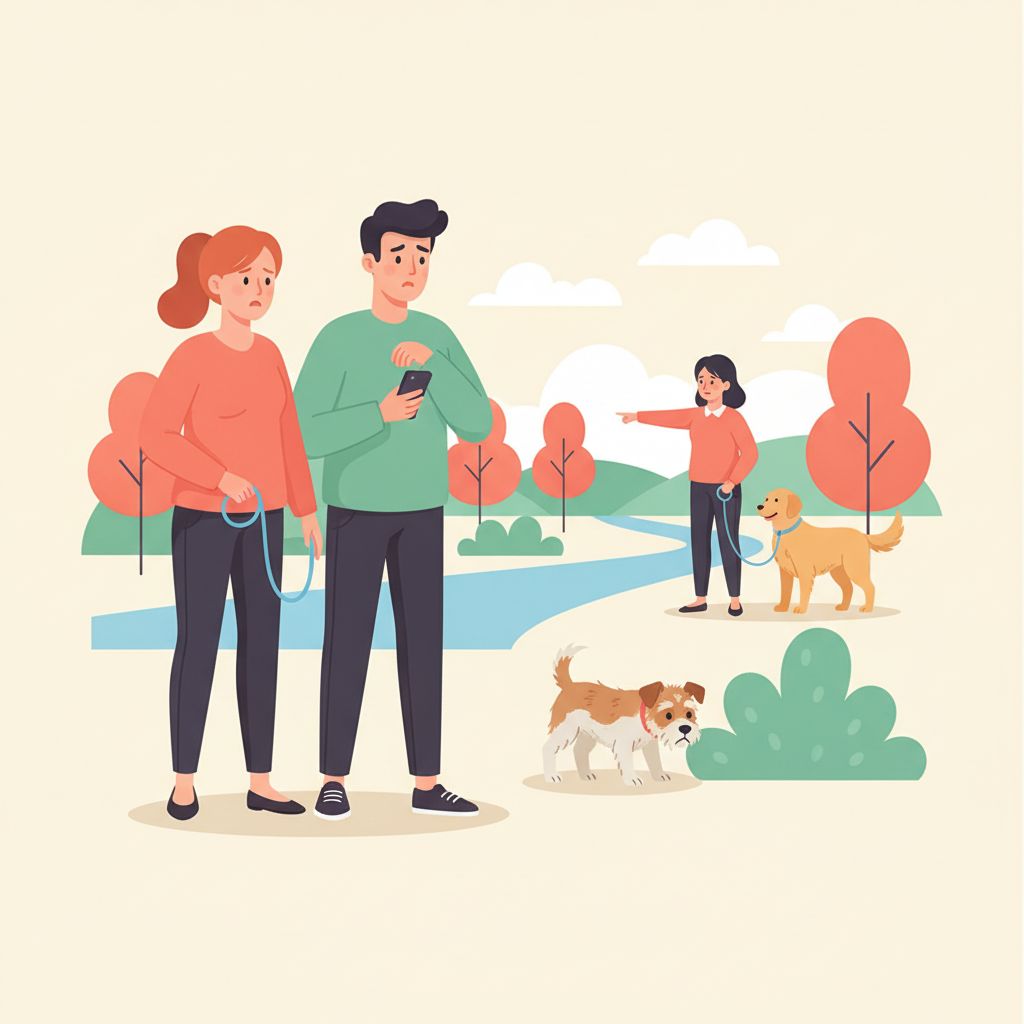
The lead slips from your hand near the park path, or the stairwell door stays open a moment too long. Then comes the silence, and the sudden, stomach-dropping realisation that your dog is no longer beside you. Any owner in Zagreb, Vienna or Berlin will recognise that feeling.
You cannot control how it happens. But you can control what you do next, and the first hour after your dog goes missing is when a clear order of steps helps most.
This guide walks you through that hour, minute by minute: where to look, who to tell, which calls to make and how to keep the search going. Take a breath and read on, because a calm plan beats frantic running every time.
Why the First 60 Minutes Matter
The gate was only open for a minute. Or the firework went off just as you crossed the road near Maksimir. Or the lead slid off a wet collar by the Jarun lake. Either way, one second your dog is beside you, and the next they're gone.
Panic is normal. Your heart pounds and your first instinct is to run in every direction shouting. But a clear order of actions will help you far more than frantic searching.

Here's why the first hour matters. Your dog is usually still close by, often scared and hiding rather than travelling. And you know exactly where and when they were last seen. That's a starting point you won't have later.
So work in this order: search nearby, spread the word locally, contact the official channels, then keep the search going. The same logic applies to cats, though they behave differently (we cover that briefly in the final section).
Let's start with the first fifteen minutes, which are all about the ground right around you.
Minutes 0 to 15: Search Close to Where Your Dog Went Missing
Take a breath. Panic makes you sloppy, and the first quarter hour is when you have the best odds. Before you move, pin down the exact spot and the time your dog was last seen. Those two details shape everything that follows.
Start small. Most dogs don't go far in the first few minutes, so check the immediate surroundings before you widen the search. Look under parked cars, in stairwells and courtyards, behind bins, and around open gates and building entrances. A frightened dog will wedge itself into tight, quiet corners (even a big one).
Now, your voice. Call your dog's name in a calm, happy tone, the same one you'd use at dinnertime. If you sound stressed or angry, a scared dog may read it as a reason to keep away. And don't chase. Running toward a panicked dog often pushes it further out, and you can't outrun it anyway.

Grab a lead, some treats and a squeaky toy, or a worn T-shirt that smells like home. Then split the work. One person stays at the last-seen spot in case your dog circles back. You, or anyone helping, walk outward in a widening circle from that point.
Your quick checklist:
- Last-seen spot noted, with the time
- Nearby hiding places checked
- Calm, cheerful voice
- Treats, lead and a familiar scent or squeaky toy in hand
- One person stays put
If your dog hasn't turned up after this first sweep, it's time to bring other people into the search.
Minutes 15 to 30: Ask Neighbours and Alert Your Local Community
You've checked the obvious spots. Now it's time to bring in more eyes.
Start with people nearby. Other dog walkers, shop staff, neighbours in your building, parents at the playground. Anyone who spends time outside on your street could have spotted a loose dog. Keep your approach quick and clear. Hold up a recent photo on your phone and give the basics: size, colour, collar or harness, and your pet's name. Say the name out loud, because a dog that's seen from a distance might answer to it.
Next, go online. Post in the neighbourhood groups and community pages for your part of Zagreb or your city. Keep the message short and factual:
- A clear, recent photo
- The last-seen location and time
- Your pet's name, size, colour, and any collar or harness
- A phone number where you can be reached
Leave your home address out. A phone number is enough, and it keeps you safer. Before you post, check the rules of each group you use. Some require admin approval or a specific format, and you don't want a delay.
Then widen the net. Message friends and family and ask them to share your post. Better still, ask them to join the search. Send each person in a different direction so you cover more ground, instead of five people retracing the same block.
Speed matters here. Every minute you spend on this step puts more people on the lookout.
With the community alerted, you can turn to the official side of your plan: shelters, vets and the microchip registry.
Minutes 30 to 60: Contact Shelters, Vets and Your Microchip Registry
You've checked the house, the yard and the street. Now it's time to widen the net.
Start with the phone. Call the animal shelters in your area, then the vet practices nearby. Give each one a clear description of your dog (size, colour, markings, collar, name) plus your own contact details. Ask them to note it down. Someone who finds a stray often heads to the closest vet or shelter first, so you want your details waiting there.
Next, deal with the microchip. Find your dog's chip number first. It's usually on your vet paperwork or adoption documents. Then contact the registry that holds the chip and confirm your phone number and address are correct. This step matters more than you'd think. A chip is only as useful as the details linked to it, and out-of-date microchip contact details can stop a found dog from being reunited with you. Not sure which registry holds your dog's chip? Your vet can help you find out.
Finally, check the current local rules on reporting a lost animal. Requirements differ between cities and countries, so don't assume. Look up what's expected where you live and follow those steps.
Here's your checklist for this half hour:
- Local animal shelters
- Nearby vet practices
- Your microchip registry
- Local lost-pet reporting channels
One last point. If your dog turns up injured or unwell, take them to a vet. Don't try to treat them yourself.
Once the hour is up and every call is made, the work shifts from reacting to staying visible.
After the First Hour: Keep Searching and Make It Easy to Be Found
The first hour is over. Now you settle into the long game, and the goal shifts to making your pet easy to find.
Start with posters. Keep them simple: one clear photo, a short description and your phone number. Skip the paragraph of backstory. Put them where people pass on foot, such as park entrances, vet clinics, shops and bus stops. Check the signage and local rules first, since many European cities restrict where posters can go.
Leave something familiar near the last-seen spot. A worn T-shirt or a blanket that smells like home can pull a lost animal back toward that place.
Then search again at quieter times of day, early morning and late evening. Walk slowly. Call calmly. And remember that a frightened dog often hides rather than coming to a voice, so scan low places like hedges, ditches and spots under parked cars. Keep your phone on and charged, and keep one person at home in case your dog finds its own way back.
Lost cat: what to do
Cats usually stay close and go quiet. Check garages, sheds, bushes and under cars. Search softly, without loud calling. Then go out again after dark with a torch, because eyes reflect light beautifully at night.
Once your pet is home
Close the gaps so it's less likely to happen again:
- Update your microchip details so your current phone number is on file.
- Put a tag with your number on the collar.
- Switch to a well-fitted harness your dog can't slip out of.
- Build a habit with gates and doors, and make sure they latch every time.
A Calm Plan Is Your Best Tool
When panic hits, order helps. Here's the sequence again:
- Search close by
- Ask your neighbours
- Post locally
- Call shelters and vets
- Check the microchip
- Keep searching
You can't control the outcome. But working through these steps one at a time is the most useful thing you can do, and it keeps you from wasting energy on scattered guesses.
So prepare now, while your pet is asleep on the sofa. Take five minutes today to save a clear, recent photo on your phone. Find your microchip number and confirm the registry holds your current phone number and address (a surprising number of tags and records are out of date). And say hello to the people on your street. A neighbour who knows your dog's name will act faster than a stranger.
Finally, save this lost pet checklist and send it to another pet owner on your street. It takes ten seconds.
Want Pethood on your block?
Join the waitlist. One email to confirm, one on launch day, nothing else.
More from the journal.
 Behaviour
 Dogs and Children: Safe, Calm Daily Routines at Home
Practical steps for keeping dogs and children safe at home: a safe dog space, body language lessons for kids, calm daily routines and clear supervision rules for families.
 Health & vet
 Dog and Cat Grooming at Home: A Simple Starter Routine
A simple starter routine for grooming your dog or cat at home: brushing, nails, ears and paw care for city pets, with short sessions, calm habits and clear signs it's time to call your vet.
 Training
 Puppy Socialisation Checklist for City Life
A practical, tickable puppy socialisation checklist for city life: sounds, surfaces, people and traffic, with a one-week plan to build a calm, confident urban dog.