Mosquitoes and Summer Parasites: What to Ask Your Vet
Wondering how to protect your pet from mosquitoes and parasites this summer? A calm guide for city pet owners, with vet questions to ask and a simple checklist to save.
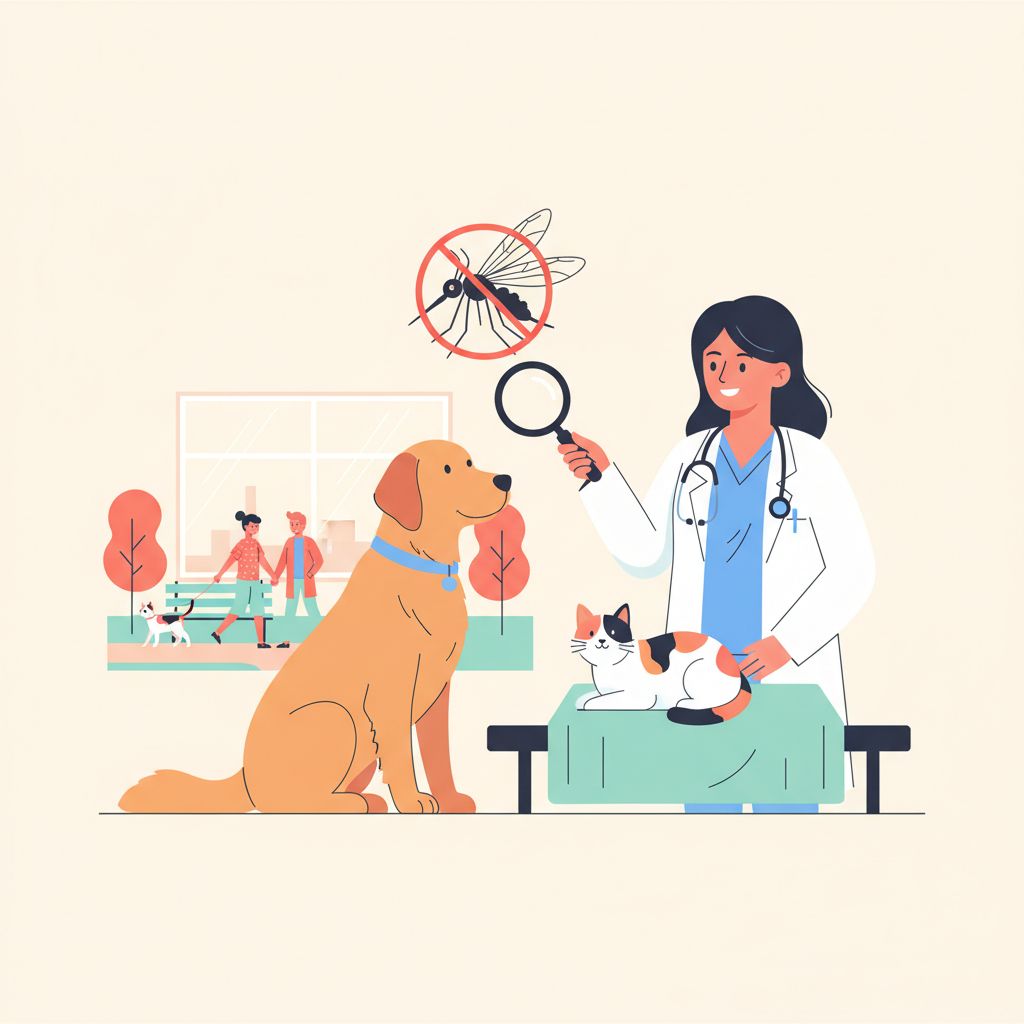
It's a warm evening in Zagreb, and the light is going soft over the park. Somewhere near the lamp, a single mosquito hums. At home, the cat dozes beside the open balcony door, and you can't quite shake a small question: do you know what your vet would recommend for your pet this summer?
Protecting your pet from mosquito-borne parasites isn't something most of us think about until the first bite of the season. That's perfectly normal. This guide is a calm, practical way to walk into your vet's office with the right questions and a clear picture of your pet's routine.
Below you'll find a short question list and a checklist to take along. Print it, screenshot it, or read it on the tram.
Why summer parasites are worth a conversation with your vet
Picture the evening again. You walk the dog along the Sava path, past the park where the air hangs thick near the water. Back home, the balcony door stays open for the cat. Somewhere in that quiet hour, you notice a bite on your arm and wonder what's been biting your pet.
Here's the thing. Mosquitoes aren't only an itchy nuisance. In some regions they can carry parasites that affect dogs and cats, which is why this is a vet conversation and not a guessing game. Risk varies by area, by season, and by your pet's habits.

This article is general guidance. Your vet decides what's right for your pet.
So we've kept it practical. To see why the conversation matters, it helps to understand what mosquitoes can mean for pets living in a European city.
What mosquitoes can mean for dogs and cats in European cities
Mosquitoes aren't just a summer nuisance. In some parts of Europe, they can carry parasites that make pets seriously ill. Whether that's a real concern for you depends on where you live and where you travel. A weekend trip to a warmer coastal region or a holiday abroad can change your pet's exposure overnight.
Dogs and cats don't react to these parasites the same way. A prevention plan built for your dog won't automatically protect your cat, and the reverse is true too. Some products that suit one species are unsuitable for the other. Don't assume what works for one animal covers the whole household.
And city life doesn't mean zero exposure. Mosquitoes breed in surprisingly small amounts of standing water. Think of these spots:

- Parks and riverbanks where you walk your dog
- Plant saucers and watering cans on balconies
- Courtyards with clogged drains or forgotten buckets
- Shaded corners where water sits after rain
Even an indoor cat isn't completely out of reach. A mosquito that slips through an open window doesn't care that you live on the fourth floor.
Mosquitoes are also only one piece of the puzzle. Ticks, fleas and other summer parasites in cats and dogs matter too, and they don't always show up on the same schedule. A good plan for pet parasite prevention in the city looks at the whole picture rather than chasing a single pest.
How big the risk is varies from area to area and even year to year. Your vet knows the local picture best, so ask them what applies to your neighbourhood and your pet's lifestyle.
That variation is exactly why no two pets end up with the same plan.
Why parasite prevention plans differ by region and pet
Two dogs can live ten minutes apart and need completely different protection. That's the point. There's no single plan that fits every pet, and your vet weighs a surprising number of things before recommending one.
Where you live matters first. Mosquito and parasite activity in Zagreb isn't the same as it is on the Dalmatian coast or in a northern city like Hamburg. How often you travel matters too. Then comes your pet's age, size, health history and lifestyle, plus whether they're indoor, outdoor or a bit of both.
Think about how that plays out day to day:
- A dog who spends weekends in the countryside meets far more insects and wildlife than a city dog on short pavement walks.
- A flat-dwelling cat with a balcony isn't fully "indoor," even if it feels that way to you.
- A puppy has a developing body and limited options. A senior dog already on other treatment needs a plan that fits around it.
- A family heading abroad this summer may be bringing their pet into a different risk zone altogether.
So advice from a friend, a forum or another country may not suit your pet. It might have worked beautifully for their dog (in their region, with their routine). But your vet knows your pet's history and your local situation. They're the right person to choose both the approach and the timing.
And the plan won't stay fixed. Pets age, families move, holidays change and local conditions shift. A yearly or seasonal check-in keeps your pet's protection matched to their real life, not last year's.
Knowing all this, the next step is turning it into questions you can actually ask.
Questions to ask your vet before the season starts
A good vet visit starts before you walk through the door. Spend five minutes now and you'll get far more out of the appointment. These are the questions to ask your vet about parasites; copy the list into your phone and bring it with you:
- Which summer parasites are relevant where we live and where we travel?
- Does my pet need testing or a check-up before starting any prevention?
- What does prevention look like for my pet's age, health and lifestyle?
- How often does the plan need to be reviewed?
- What should I do if I miss a scheduled step?
- How does the plan change if we travel within Europe?
- Does my cat need a different approach from my dog?
- What signs should I watch for at home?
Here's a tip that makes every answer more useful. Write down your pet's routine before you go. Daily walks, favorite parks, weekend trips, how much time they spend indoors or out. Your vet can't guess whether your dog splashes through meadows near Sljeme every Sunday or whether your cat never leaves the balcony. The more detail you give, the more tailored the advice.
Bring previous records too, or at least jot down the dates of past treatments. That way nothing gets repeated and nothing slips through the cracks. (A quick photo of the vaccination booklet or old packaging works fine.)
One more thing. Don't start, stop or swap any preventive treatment without checking with your vet first. Products that suit a dog can be dangerous for a cat. And a change that looks harmless on paper might leave a gap in protection. So ask first. Always.
Once the appointment is sorted, a few simple habits at home help round out the picture.
A simple summer checklist for city dog and cat owners
You don't need a complicated system. You need a short list you'll actually follow. Here's one to pin on the fridge.
- Book a pre-season chat with your vet. Do it before the warm weather settles in.
- Note your pet's routine and travel plans. Walk times, parks, weekend trips. Your vet can't tailor advice to a life they don't know about.
- Empty standing water from plant saucers, buckets and bowls left outside.
- Keep balcony and window screens in good repair. A small tear is an open door.
- Check coat and skin after walks.
- Set a calendar reminder for whatever plan your vet sets.
- Keep your vet's contact details easy to find. Phone, saved and on the fridge.
Picture an evening walk along a tree-lined path. You get home, wipe the paws, then run your hands slowly through the coat, along the belly, behind the ears, between the toes. It takes two minutes. If something looks or feels unusual, you note it and mention it to your vet.
One caveat matters. These household steps are a sensible part of mosquito prevention for pets in Europe's cities, but they reduce nuisance rather than replace a prevention plan from your vet. And if your vet's advice ever differs from the tips here, follow your vet. That includes this article.
Of course, even the best routine can't catch everything, so it's worth knowing when to pick up the phone.
When to call your vet
You know your pet better than anyone. So trust that instinct. Call your vet promptly if your dog or cat:
- seems unusually tired or low on energy
- is coughing or struggling to breathe normally
- has lost their appetite
- seems unwell after a trip
- has skin changes or won't stop scratching
- just seems off, even if you can't say why
If you're worried, a phone call is always reasonable. Nobody will think you're overreacting. But severe or sudden symptoms need immediate veterinary attention, so don't wait for a callback.
Pick up the phone before you travel with your pet, too. The same goes for changing any routine, or if you're unsure whether a missed step matters.
One thing to keep in mind. This article isn't a substitute for veterinary advice, and only a vet can assess your pet.
The good news? A short conversation now can make the whole summer easier. You'll get clear answers, and you'll head into the warm months with a little less worry.
Make this summer a more relaxed one
The easiest time to talk about summer parasites is before they're on your mind. So book a short pre-season check-in with your vet, and take the question list and your pet's routine notes along. Save the checklist on your phone so it's there when you need it, whether you're in the waiting room or on the tram.
A few minutes of preparation now means fewer worries later. Then you can get back to what the season is really for: long evening walks with your dog, and a cat dozing happily by the open balcony door.
Want Pethood on your block?
Join the waitlist. One email to confirm, one on launch day, nothing else.
More from the journal.
 Behaviour
 Dogs and Children: Safe, Calm Daily Routines at Home
Practical steps for keeping dogs and children safe at home: a safe dog space, body language lessons for kids, calm daily routines and clear supervision rules for families.
 Health & vet
 Dog and Cat Grooming at Home: A Simple Starter Routine
A simple starter routine for grooming your dog or cat at home: brushing, nails, ears and paw care for city pets, with short sessions, calm habits and clear signs it's time to call your vet.
 Training
 Puppy Socialisation Checklist for City Life
A practical, tickable puppy socialisation checklist for city life: sounds, surfaces, people and traffic, with a one-week plan to build a calm, confident urban dog.