Home Alone Training: Teach Your Dog to Stay Calm
Teach your dog to be home alone, step by step: set up a safe spot, practise short absences, avoid common mistakes and know when to call the vet. Start tonight.
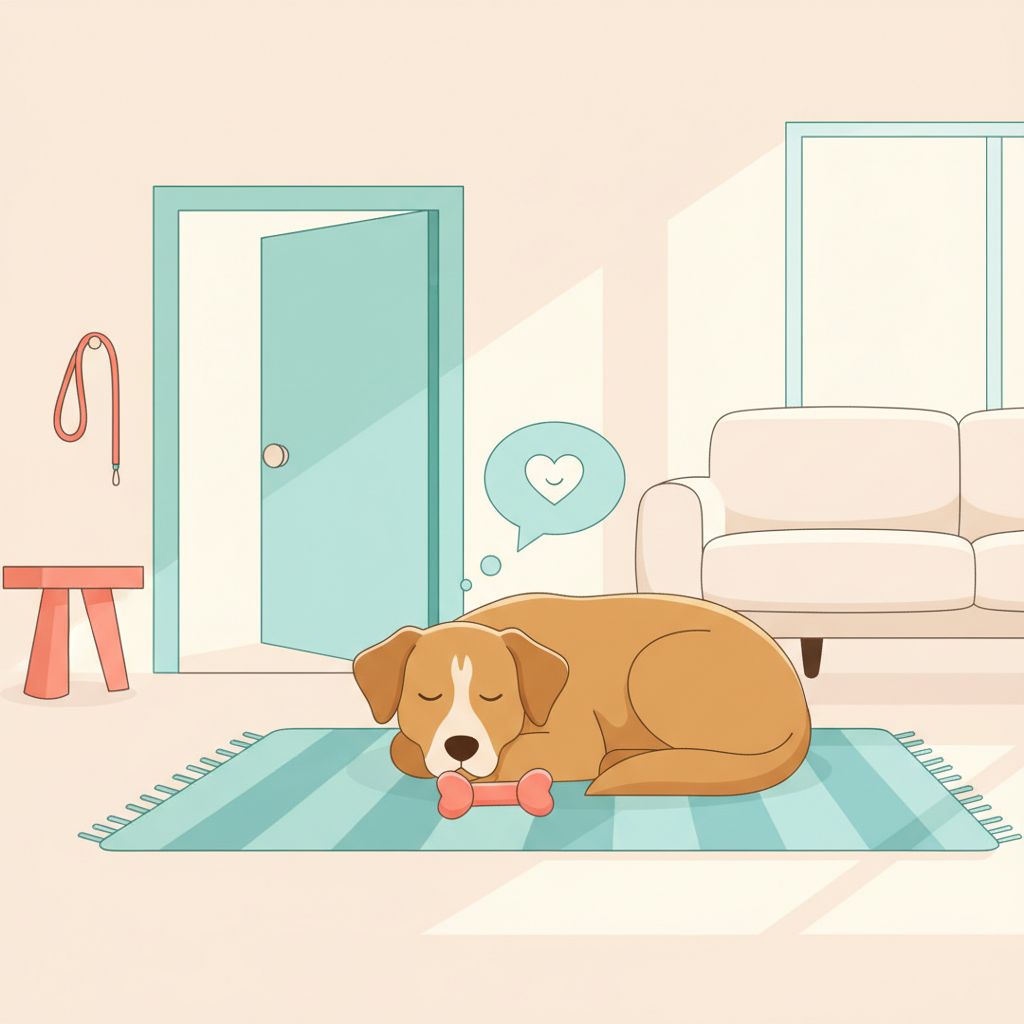
You pick up your keys, and your dog's ears drop. By the time you reach the door, there's a soft whine on the other side, and you're left wondering whether it will stop once the lift doors close behind you.
That pang of guilt is something many owners know well. But being alone isn't something dogs are born knowing how to do. It's a skill they can learn at their own pace, and that's what home alone training is all about.
This guide skips the vague advice. You'll get concrete steps, a pre-departure checklist and a sample week to follow, so you can teach your dog to be alone with confidence.
Why Some Dogs Struggle When You Walk Out the Door
You close the front door of your flat in Zagreb. The lift hums somewhere below. And behind the door, your dog starts to cry, or pace, or both.
It's heartbreaking to hear. But it's also common. Dogs are social animals, and being alone isn't something they know how to do automatically. It's a skill. They learn it gradually, the way a child learns to fall asleep in their own room.

That's the idea behind home alone training. It's about building confidence in small steps, not toughing it out and hoping they'll adjust. Some whining and restlessness while your dog learns is normal. Persistent distress, destruction, or signs of real panic need professional help (the vet section later covers exactly where that line sits).
Below, you'll find a clear step-by-step plan, a checklist, and a sample weekly schedule. First, though, a few basics need to be in place.
Get the Basics Right Before You Start Home Alone Training
Training starts before you ever reach for the door. A dog who leaves the house tired, relieved, and calm has a much easier time settling than one who's wired and desperate for the toilet.
So start with the walk. Give your dog a proper one, with plenty of sniffing time in a park or along a quiet street (sniffing tires them out more than you'd think). Add a few minutes of play when you get back. Then a toilet break, and a calm, boring routine before you go. No big fuss. No frantic energy.
Next, set up a safe spot. A comfy bed, fresh water, a chew or food toy, and something that smells like you. Use a crate only if your dog already likes it. If not, a quiet corner with a bed works fine.

Before every departure, run through this quick checklist:
- Walked and tired out
- Toilet done
- Water out
- Safe chew or food toy ready
- Windows and balcony secured
- Hazards removed (cables, shoes, medication, anything chewable and risky)
Leaving a dog alone in a flat adds its own wrinkles. Stairwell footsteps, neighbours' doors, and street noise can all set a dog off. Gentle background sound, like soft radio or a calm playlist, can help mask it if your dog settles better with it on.
Finally, keep comings and goings low-key from day one. Don't make a dramatic goodbye. Don't greet your dog like a returning hero. Walk in, wait a moment, then say hello calmly. You're building a habit, and boring is exactly what you want.
A Step-by-Step Plan to Teach Your Dog to Be Alone
With the groundwork done, you can start the practice itself. One rule drives everything here. Go slowly, stay below the point where your dog gets worried, and repeat often. If your dog panics, you moved too fast. Don't push through. Just go back a step and rebuild.
- Teach a settle. Put a bed or mat down and reward your dog for lying on it while you're in the room. Calm behaviour gets the treat. Frantic hovering doesn't.
- Build distance and duration. Move around the room, then farther from the mat, then for longer. Next, step out of sight for a few seconds and come back before any fuss starts. You're returning to a calm dog, not a worried one.
- Add a door. Close it between you for a moment, then open it. Once that feels boring to your dog, step out of the front door and come straight back in.
- Defuse the departure cues. Pick up your keys. Put on your shoes. Grab your jacket. Then do none of the leaving. Practised often enough, these signals lose their alarm value because they stop predicting that you're gone.
- Stretch the time. Increase absences gradually, but don't lengthen them every single time. Mix a short one with a longer one, then a medium one. That variety keeps things unpredictable in a good way, and it lets you stay flexible if your dog has an off day.
Here's the part nobody wants to hear. Timelines vary a lot from dog to dog. Some settle in within a couple of weeks. Others need much longer. A patient approach matters far more than a calendar, so don't judge your progress against anyone else's.
To make it concrete, here's one illustration of a gentle week (not a guarantee, and your dog may need to repeat days):
- Monday: Settle on the mat while you sit nearby. Reward calm.
- Tuesday: Walk around the room, then step out of sight for 3 seconds.
- Wednesday: Close the door for a few seconds, then reopen it.
- Thursday: Practise keys and shoes without leaving. Add one brief step outside the front door.
- Friday: Two or three short absences of different lengths.
- Weekend: Rest, or repeat whichever step felt wobbly.
If Thursday goes badly, repeat Wednesday. That's not failure. That's the plan working exactly as it should.
Common Mistakes and What to Do Instead
Even with a good plan, most owners trip over the same few things. The good news? Each one has a simple fix.
Dramatic goodbyes and over-excited hellos. It feels loving, but it tells your dog that your leaving is a big deal. Keep both calm and brief. A quiet word, a short pat, out the door. Same on return. Walk in, let the excitement settle, then say hello.
Leaving for long stretches too soon. If your dog has never been alone for more than a few minutes, a four-hour absence is a huge leap. Build up gradually instead. Seconds, then minutes, then longer.
Sneaking out. It seems kind. It isn't. Without a cue, your dog never knows when you'll vanish, so they stay on alert. Use a consistent, calm routine before you go, so they can predict what's coming.
Scolding for mess or chewing. Your dog won't connect the telling-off to something they did hours ago. It doesn't teach calm, and it can add stress. Reset the setup instead: fewer temptations, a safer space, a shorter absence next time.
Relying only on exercise. A walk helps. But a tired dog still has to learn how to be alone, and that skill needs its own practice.
Want to see what really happens when you're out? A camera or pet-cam is a handy (and optional) way to watch your dog's behaviour, then adjust your plan to match.
One quick note for multi-pet homes. A cat or a second dog doesn't automatically make a dog feel safe alone. Keep practising anyway.
When to Call Your Vet
Sometimes, no amount of careful practice is the right answer, because something else is going on. Some signs mean it's time to pick up the phone. This is general guidance, not a diagnosis. Call your vet if your dog shows intense distress when left alone:
- Constant howling or barking
- Frantic attempts to escape
- Self-injury, like chewed paws or broken nails
- Destructive behaviour that looks panicked
- Toileting only when you're out
Also call if the behaviour appears suddenly in a dog who was settled before. Or if you spot changes in appetite, drinking or toileting. Those can point to a physical cause, not a behavioural one.
Your vet can rule out health problems first. If the cause is behavioural, they may refer you to a qualified behaviour professional. Please don't try any treatments at home without veterinary advice.
And here's the part worth remembering. Asking for help early isn't failure. It's good care.
Your First Week: Start Tonight with One Small Step
Here's the whole idea in two sentences. Calm, gradual practice builds a dog who can relax alone. You don't fix separation stress by pushing harder. You fix it by going slower than feels necessary.
So start tonight. Set up a comfortable spot, then practise a few seconds out of sight. That's enough for day one. Then build from there with this checklist:
- Set up the safe spot (a bed or mat in a quiet corner).
- Pick one settle cue and use it every time.
- Practise 3 to 5 short sessions a day.
- Keep departures low-key. No long goodbyes, no big greetings.
- Watch what your dog does and adjust.
Keep a simple log over the first week, too. Just jot down how long your dog stayed calm each day. It stops you from rushing, which is the most common mistake.
Progress rarely moves in a straight line. You'll have a great Tuesday and a rough Wednesday. That's normal, so be patient with the setbacks. Every calm minute counts, so don't dismiss the small ones.
If your dog seems distressed rather than simply learning, speak to your vet. And if you'd like company along the way, share your tips and experiences with other dog owners in your neighbourhood. Someone nearby has probably been exactly where you are.
Want Pethood on your block?
Join the waitlist. One email to confirm, one on launch day, nothing else.
More from the journal.
 Behaviour
 Dogs and Children: Safe, Calm Daily Routines at Home
Practical steps for keeping dogs and children safe at home: a safe dog space, body language lessons for kids, calm daily routines and clear supervision rules for families.
 Health & vet
 Dog and Cat Grooming at Home: A Simple Starter Routine
A simple starter routine for grooming your dog or cat at home: brushing, nails, ears and paw care for city pets, with short sessions, calm habits and clear signs it's time to call your vet.
 Training
 Puppy Socialisation Checklist for City Life
A practical, tickable puppy socialisation checklist for city life: sounds, surfaces, people and traffic, with a one-week plan to build a calm, confident urban dog.